Priority Mapping
Identify three meaningful tasks each morning based on current project phases. This method helps freelancers allocate attention before reactive requests fill the calendar.
We document practical approaches to daily planning that independent professionals can adapt to their own workflow. All content is educational and describes organization methods — not promised results.
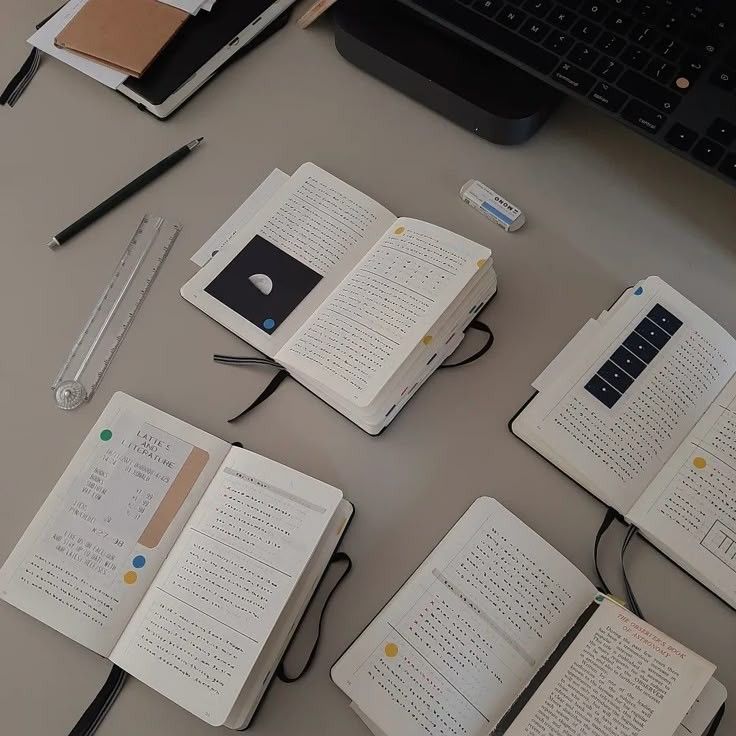
Independent work demands flexible systems. We explore how freelancers and creatives can design routines that respect both deadlines and creative energy — without prescribing a single formula.
Every professional context differs. A graphic designer managing client revisions faces different constraints than a copywriter balancing research and drafting. Our materials describe frameworks you can evaluate and modify.
These educational topics form the foundation of our published content and consulting guidance.
Identify three meaningful tasks each morning based on current project phases. This method helps freelancers allocate attention before reactive requests fill the calendar.
Match demanding cognitive work to your personal peak hours. We share observation techniques for tracking when deep focus feels most accessible.
A thirty-minute review every Friday to close open loops and prepare the following week with realistic expectations.
Externalize ideas immediately so working memory stays available for active projects. Simple inbox workflows reduce mental clutter.
Communication scripts and availability windows that help freelancers set professional expectations with clients and collaborators.
This illustrative schedule demonstrates how time blocks can distribute across a typical freelance week. Adjust proportions to match your commitments.
Batch concept exploration in morning sessions when visual thinking feels sharpest. Reserve afternoons for revision cycles and asset export tasks that require less conceptual effort.
Separate research, drafting, and editing into distinct blocks to prevent context switching between analytical and generative modes.
Cluster client calls on specific days to preserve uninterrupted analysis time for deliverable preparation.
Plan shoot days, editing sessions, and portfolio maintenance as separate calendar categories so post-production does not encroach on booking availability.
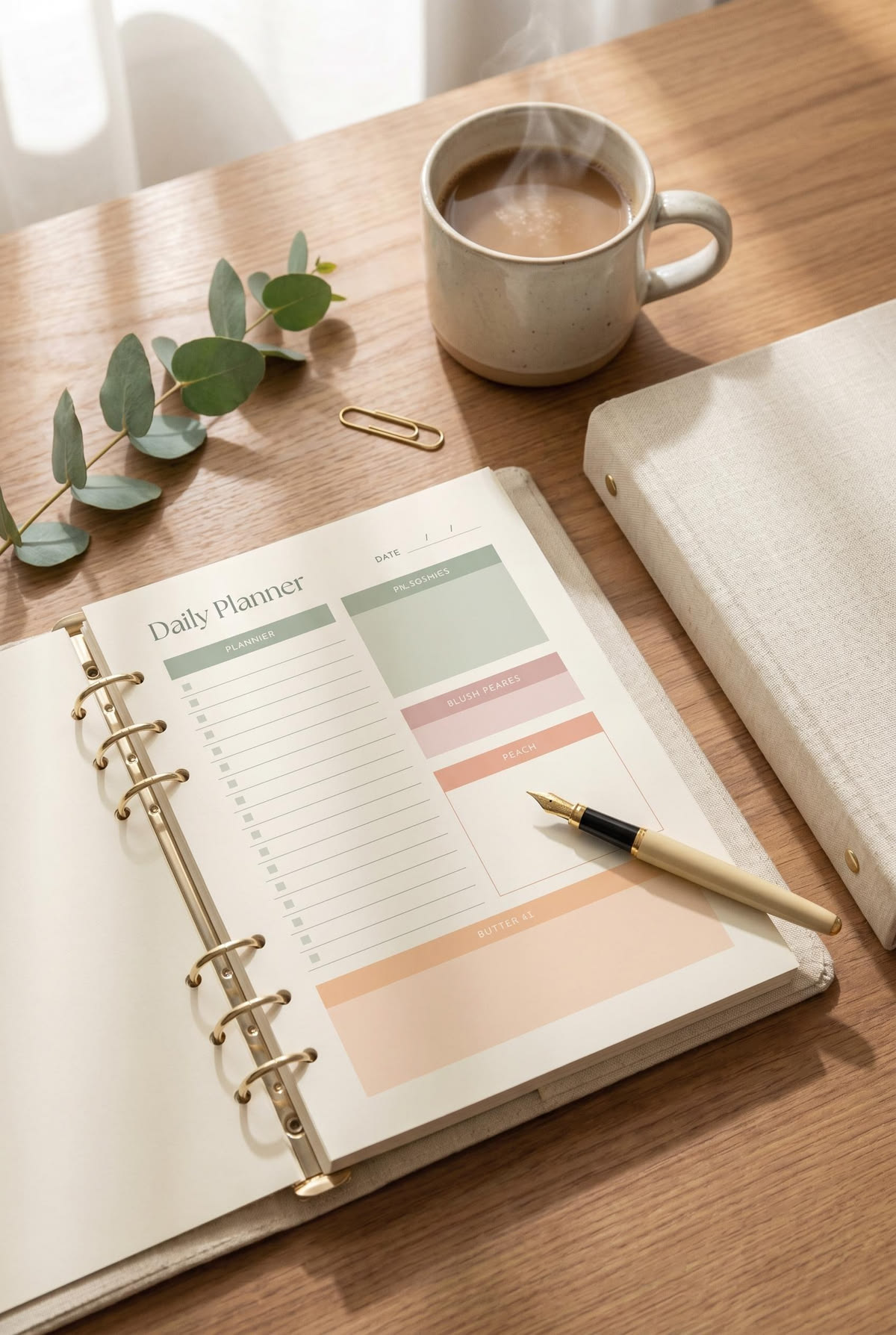
Track how you spend time for one week without attempting changes. Note when focus feels natural and when distractions appear.
Identify fixed commitments such as client meetings, school pickups, or exercise. Build your plan around immovable anchors first.
Group similar work types together. Respond to emails in designated windows rather than continuously throughout the day.
Planning systems evolve with your client roster and personal priorities. Schedule a monthly check-in to assess what still serves you.
We believe visitors should understand exactly who we are, what we offer, and what we do not provide before engaging with our content or services.
Operated from Stigbergstorget 1, 414 63 Gothenburg, Sweden. Contact details are verified on every page.
Privacy, Cookie, Terms of Use, and Refund policies are published and accessible from the site footer.
Free articles online. Paid program pricing is provided in writing before purchase. No hidden charges.
Content covers work organization only. We do not provide medical, psychological, or financial advice.
This website is intended for adults working as freelancers or creative professionals. Materials describe planning techniques that individuals may choose to apply. Effectiveness depends on personal circumstances and is not guaranteed.
The following are generalized scenarios based on typical freelance workflow patterns. They are not verified testimonials and do not represent promised outcomes.
A brand designer separates concept work from revision tasks using themed days, reducing frequent switching between project types during a single afternoon.
A content strategist introduces a Friday review ritual to document open tasks and prepare the following week, creating a consistent handoff between work periods.
A UX researcher uses boundary templates to communicate availability windows to clients, establishing predictable response times without rigid scheduling.
Website guides are free. Paid consulting sessions and educational programs are priced based on scope and duration. We provide full pricing in writing before any purchase. Contact us or visit our About page for current rate information.
We publish general informational articles, planning frameworks, and educational resources about daily organization for freelancers and creatives. Our content is intended for personal reference and does not constitute professional coaching with guaranteed results.
Yes. We provide consulting and guidance services where we discuss your workflow and suggest planning approaches. These are educational in nature and tailored to organizational preferences, not medical or therapeutic interventions.
No. Ankleswyvibrant operates independently as an educational resource on work planning. We do not provide health advice, diagnose conditions, or recommend treatments of any kind.
Our office is at Stigbergstorget 1, 414 63 Gothenburg, Sweden. We serve clients remotely across Sweden and internationally through digital communication channels.
Read our work planning and time blocks pages, or contact us for information about consulting programs and pricing.
Request InformationBy contacting us you receive informational materials only. No purchase is required to browse our free content.